*
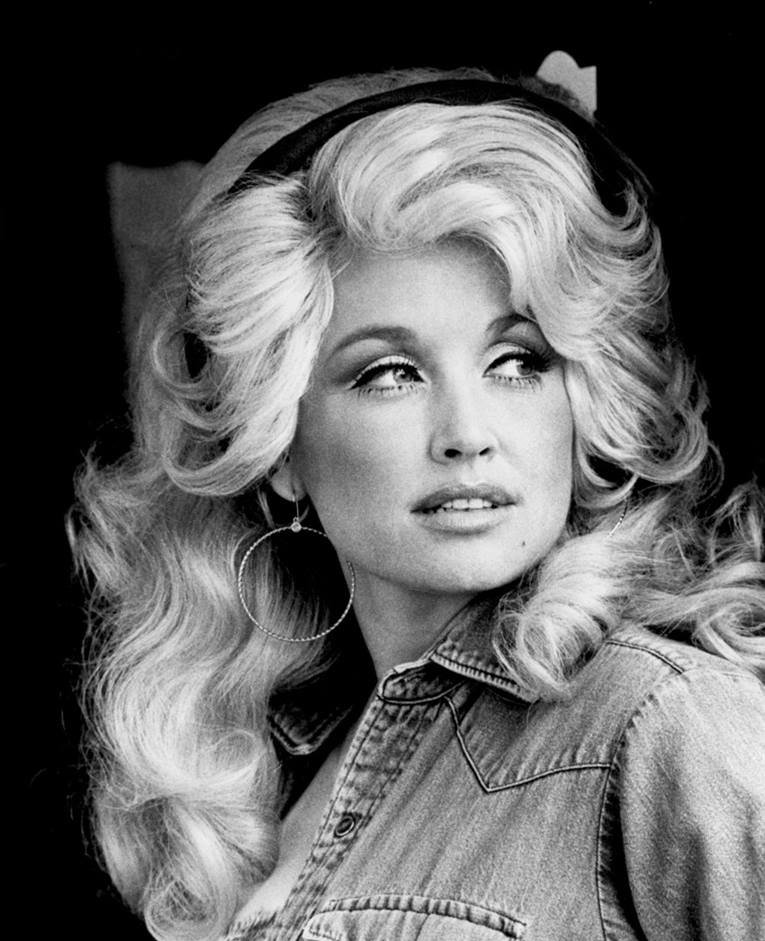
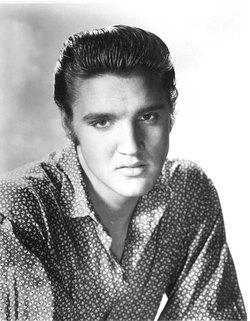
Dolly Parton once made a business decision that has since become one of the most discussed moments in music industry history. In the early 1970s, she declined a request from Colonel Tom Parker, the longtime manager of Elvis Presley, to give up publishing rights to her song I Will Always Love You as a condition for Presley recording it.
The story has been confirmed in multiple interviews and industry retrospectives. According to reporting by Rolling Stone, Presley had expressed interest in recording the song shortly after its 1974 release. However, Parker’s standard contract terms required artists to sign over a significant portion of publishing rights if Presley recorded their material.
Publishing rights determine who controls and earns money from songwriting royalties. These royalties are generated whenever a song is sold, streamed, broadcast or performed publicly. Under Parker’s terms, Parton would have been required to give up half of the publishing income from the song in order for Presley to release his version.
Parton has publicly described the moment in interviews. In a conversation referenced by Billboard, she explained that she was advised that Presley’s manager wanted half the publishing. She later stated that she declined the deal despite understanding the scale of exposure that a Presley recording would have brought.
At the time, I Will Always Love You had already reached number one on the Billboard Hot Country Songs chart. The song was written by Parton as a farewell to Porter Wagoner, her longtime professional partner, and became one of the defining recordings of her early career. According to Encyclopaedia Britannica, Parton was already gaining recognition as a songwriter with strong control over her own catalogue.
In interviews cited by Country Music Hall of Fame archives, Parton has said that turning down the offer was difficult, but she felt strongly about retaining ownership of her work. The decision meant that Presley never recorded the song.
Years later, the long term impact of retaining the publishing rights became clear. In 1992, Whitney Houston recorded I Will Always Love You for the film The Bodyguard. The track became one of the best selling singles of all time. Chart data from Official Charts and historical sales figures referenced by Billboard show that the song spent 14 weeks at number one on the Billboard Hot 100 in the United States and topped charts worldwide.
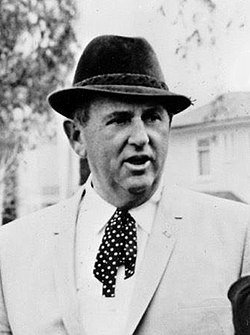
Because Parton retained full publishing control, she benefited directly from the global success of Houston’s version. Industry analysts frequently cite this moment as an example of the financial importance of songwriting ownership. Music business reporting in Forbes has repeatedly referenced Parton’s publishing decision as one of the smartest moves in country music history.
The episode has since become a case study in artist rights and contract negotiations. Colonel Tom Parker was known for securing strong financial terms for Presley, often requiring partial publishing ownership on songs he recorded. Historical summaries of Parker’s management style appear in Encyclopaedia Britannica.
Dolly Parton has continued to speak openly about the decision, explaining that while she admired Presley and would have welcomed his interpretation of the song, maintaining ownership was a priority. Her catalogue remains one of the most valuable in country music, with songwriting credits spanning decades.
Today, I Will Always Love You is recognised as one of the most recorded and commercially successful songs in modern music history. The decision to reject the publishing request ensured that Parton retained full control of one of her most important works, a move that significantly shaped her long term financial and creative independence.
More From Behind The Melody:
- Visit the Behind The Melody home page
- Explore music history in The Vault
- Browse daily history features in On This Day
About the Author