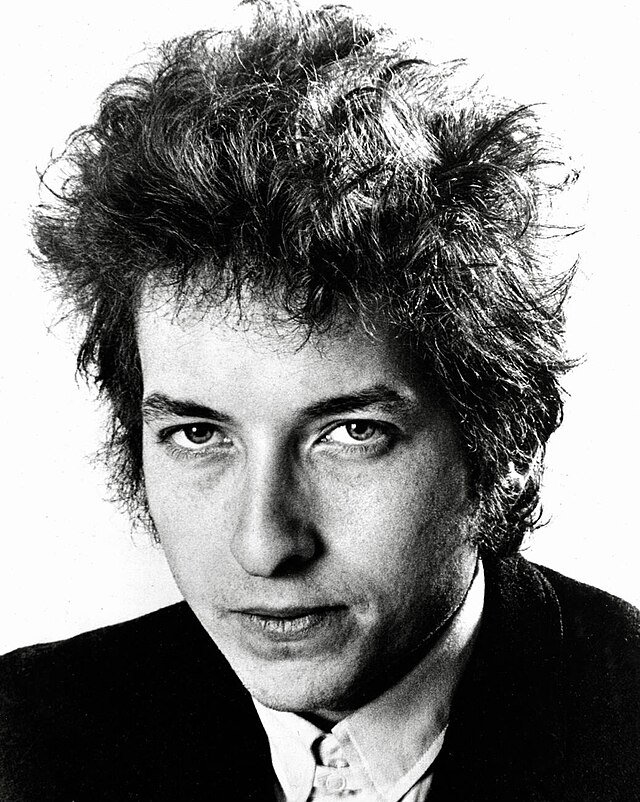
On February 12, 1965, Bob Dylan was in the middle of a creative transition that would permanently change the direction of his career and the wider landscape of popular music. Although “Like a Rolling Stone” would not be fully recorded until June of that year, the February sessions in New York marked a decisive shift toward the electric sound that defined the track.
At the time, Dylan had already established himself as a leading figure in the American folk revival. Albums such as The Freewheelin’ Bob Dylan and The Times They Are a-Changin’ positioned him as a protest songwriter rooted in acoustic tradition. However, by early 1965, he was moving away from that identity.
Recording sessions were taking place at Columbia Studio A in Manhattan under producer Tom Wilson. Musicians involved in Dylan’s broader 1965 studio work included guitarist Mike Bloomfield and organist Al Kooper, who would later contribute to the definitive recording of “Like a Rolling Stone.” According to historical documentation referenced by Rolling Stone and Columbia session archives, Dylan had begun experimenting with full band arrangements during this period rather than strictly acoustic setups.
This shift is widely regarded as the beginning of Dylan’s electric era, a transformation that would later provoke strong reactions from folk purists at the Newport Folk Festival in July 1965. That performance is now considered one of the most pivotal moments in modern music history and remains frequently referenced in long form music history features similar to those found inside The Vault.
When “Like a Rolling Stone” was eventually recorded in June 1965, it ran over six minutes long. At the time, radio friendly singles were typically under three minutes. Columbia Records executives were reportedly hesitant about releasing such a lengthy track as a single. However, DJs began playing the full version, and demand quickly grew.
According to historical chart data published by Billboard, the song reached number two on the Billboard Hot 100 and remained on the chart for several months. Its commercial performance marked a breakthrough not only for Dylan but also for longer, lyrically ambitious songs entering mainstream radio rotation.
The track’s structure differed sharply from typical pop compositions of the era. Its extended verses, accusatory tone, and shifting dynamics broke from the romantic themes dominating chart music at the time. The organ line played by Al Kooper became one of the defining sonic elements of the recording. Notably, Kooper was not originally hired to play organ and reportedly improvised the part during the session.
The February 1965 studio period therefore represents more than just a routine recording date. It reflects the creative pivot that allowed Dylan to fuse poetic lyricism with amplified instrumentation. Music historians frequently cite this moment as a turning point in the broader shift from folk to folk rock, a development that influenced countless artists in the late 1960s and beyond.
Retrospective rankings by Rolling Stone magazine have repeatedly placed “Like a Rolling Stone” at or near the top of its Greatest Songs of All Time lists. The publication has cited the track’s lyrical complexity and structural boldness as reasons for its enduring influence.
Dylan’s willingness to challenge format conventions during this period expanded expectations of what a single could be. The success of the track demonstrated that audiences would respond to longer, more complex material. This had ripple effects across the industry, paving the way for experimental songwriting that became central to the late 1960s rock movement.
For readers exploring major turning points in artist careers, Dylan’s February 1965 sessions remain one of the most significant examples of creative risk leading to long term impact. The date stands as an important entry in any serious On This Day archive focused on music history milestones.
Dylan would go on to release Highway 61 Revisited later that year, cementing his electric transformation. The album is now widely considered one of the defining records of the decade.
The events surrounding February 12, 1965 illustrate how studio experimentation, artistic evolution, and industry resistance can converge to produce lasting cultural change. What began as a transitional recording period ultimately led to one of the most influential singles in modern music history.
Continue Exploring Behind The Melody
Dive deeper into historic artist transformations in The Vault.
Browse more daily milestones in On This Day.
Stay updated with current stories in Music Industry News.
Return to the Home Page.
About the Author