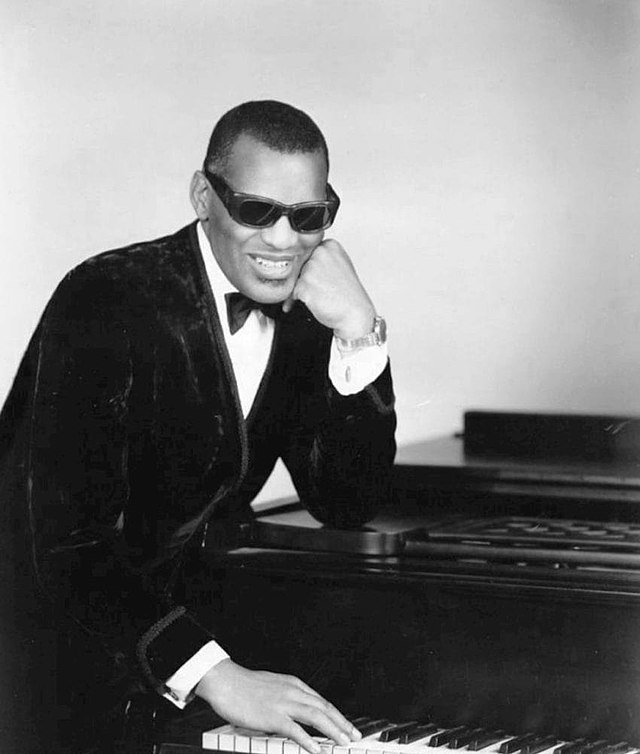
On February 12, 1959, Ray Charles entered Atlantic Records’ New York studio to record “What’d I Say,” a track that would become one of the most influential recordings in the development of soul music.
By early 1959, Charles was already an established rhythm and blues performer, but “What’d I Say” marked a decisive creative shift. The song began as a live improvisation. According to Atlantic Records session histories, Charles developed the structure during concerts when his band needed additional material. He would extend performances using a repeating electric piano riff combined with a call and response vocal exchange between himself and The Raelettes.
The February 12 session captured that live energy in full. Because the recording ran over six minutes, Atlantic Records released it as two parts to make it more radio friendly. Despite its length, the track quickly gained traction.
According to Billboard’s historical chart records, the single reached number one on the R&B chart and crossed over to number six on the Billboard Hot 100. That crossover success helped bridge rhythm and blues with mainstream pop audiences, expanding Charles’ reach beyond his core fanbase.
Music historians frequently cite this recording as one of the foundational moments in the birth of soul music. Its gospel influenced phrasing and rhythmic piano groove influenced artists throughout the 1960s, particularly performers associated with Motown and Stax Records. The improvisational structure and call and response format would later become staples of live soul and rock performances.
The February 12 session also demonstrated how live experimentation can shape studio success. Charles refined the arrangement on stage before bringing it into the recording environment, a process that later became common among touring artists developing material prior to album sessions.
For readers exploring other defining studio turning points in artist careers, this milestone sits alongside major creative pivots covered in our deeper music history archive inside The Vault. It also remains one of the most important entries in our growing On This Day catalogue of historic music moments.
Ray Charles would go on to expand his sound even further in the early 1960s, incorporating country and pop influences into his recordings. However, the February 12, 1959 session remains one of the clearest examples of innovation translating directly into both commercial success and long term genre influence.
The recording of “What’d I Say” also marked a technical shift in the way rhythm and blues was captured in the studio. Atlantic Records engineers began placing greater emphasis on capturing live band energy rather than isolating instruments. The session featured driving percussion, handclaps and layered backing vocals that created a raw, almost live club atmosphere on record. This approach contrasted with the more polished pop productions that dominated radio at the time.
The controversial nature of the song’s call and response section also played a role in its impact. Some radio stations initially hesitated to play the track due to what they considered suggestive vocal exchanges between Charles and The Raelettes. Despite this, audience demand overrode resistance. Reports documented in music industry retrospectives show that the song’s popularity grew through word of mouth and jukebox plays before expanding into national radio rotation.
Commercially, the success of “What’d I Say” strengthened Atlantic Records’ position as a leading independent label. The label’s investment in rhythm and blues artists would soon help define the early sound of soul music in the 1960s. The song’s crossover chart performance demonstrated that R&B could compete directly within the mainstream pop market, setting a precedent for later artists.
In broader historical context, February 12, 1959 stands as one of the early examples of genre blending leading to cultural transformation. Charles was not simply recording another single. He was merging church influenced vocal techniques with secular rhythm patterns in a way that redefined popular music structure. The groove driven format of “What’d I Say” can be heard in later recordings across rock, funk and even early disco.
For readers tracking pivotal industry moments by date, this recording remains one of the clearest demonstrations of how innovation inside the studio can influence decades of music that follow. It remains a cornerstone entry in our expanding On This Day archive and sits alongside other transformative recording milestones explored in The Vault.
More than six decades later, “What’d I Say” continues to appear in retrospective greatest songs lists and remains a staple in discussions about the origins of soul music. The February 12 session represents not just a recording date, but a structural shift in American popular music.
For current industry developments and breaking stories, you can explore our latest updates in Music Industry News or return to the Behind The Melody home page to browse the full archive.
About the Author