
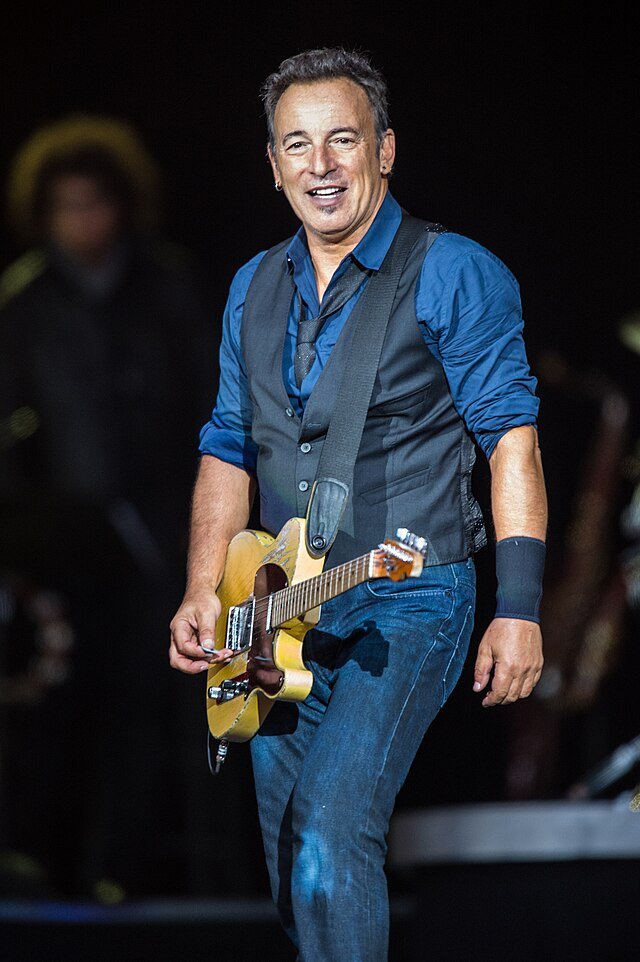
Bruce Springsteen Releases New Song Addressing ICE Actions and Federal Enforcement in Minneapolis
Bruce Springsteen has released a new song titled Streets of Minneapolis, responding to recent federal immigration enforcement actions in the city and the deaths of two residents during related operations. The song was written, recorded and released within days of the events, marking one of Springsteen’s most immediate musical responses to a contemporary political issue.
According to reporting by The Guardian, Springsteen described the track as a reaction to what he characterised as a climate of fear created by federal enforcement activity. The report states that the song was shared publicly through Springsteen’s official website and social platforms, rather than through a traditional album release or label rollout.
Coverage from People confirms that the song was dedicated to residents of Minneapolis and specifically names two individuals who died during separate incidents involving federal agents. The publication notes that Springsteen referenced immigrant communities and the impact of enforcement operations on families and neighbourhoods in the city.
Details of the incidents referenced in the song are outlined by TIME, which reports that both deaths occurred during heightened federal immigration enforcement activity earlier in the year. The article explains that Immigration and Customs Enforcement, commonly referred to as ICE, has been operating under expanded authority in several cities as part of broader federal policy measures. The Minneapolis incidents became flashpoints following public protests and national media coverage.
Background information on Streets of Minneapolis appears in Wikipedia, which states that Springsteen wrote the song on the day of the second death, recorded it shortly afterward, and released it without advance notice. The entry notes that the song follows Springsteen’s established pattern of releasing standalone tracks outside of album cycles when responding to current events.
Springsteen’s engagement with political and social issues has been a recurring element of his career. Reporting from BBC News documents that his songwriting has frequently addressed themes of working class life, civil rights, economic hardship and the role of government institutions. Songs such as American Skin (41 Shots) and The Ghost of Tom Joad are often cited in analyses of his politically focused material.
The Minneapolis release also follows public statements Springsteen made earlier in the year during live appearances. As noted by The Guardian, Springsteen has used concert performances to comment on immigration policy and federal law enforcement actions, continuing a long tradition of incorporating topical references into his live shows.

Reaction to the song has extended beyond music journalism. According to TIME, questions were raised at White House briefings regarding the song’s criticism of enforcement practices. While officials did not address the lyrics directly, they reiterated the administration’s position on immigration enforcement and public safety cooperation between federal and local authorities.
From a musical standpoint, Streets of Minneapolis is described in early reviews as a stripped back folk rock recording, featuring acoustic instrumentation and a spoken narrative structure. This approach aligns with Springsteen’s earlier protest and storytelling work, particularly material released during the 1990s and early 2000s. Music historians referenced in Rolling Stone archives have previously noted that Springsteen often returns to minimal arrangements when addressing social issues.
The release of the song has generated discussion across social media and political commentary platforms, with supporters and critics engaging with its subject matter. Media analysts cited by TIME note that Springsteen’s stature as a legacy artist continues to give his political statements wider reach than many contemporary protest releases.
At present, there has been no indication that Streets of Minneapolis will appear on a forthcoming studio album. Representatives for Springsteen have not announced any additional recordings connected to the track. The song remains available through Springsteen’s official digital channels and continues to be discussed in the context of federal immigration enforcement and artistic protest.
More From Behind The Melody:
- Visit the Behind The Melody home page
- Explore long-form music history in The Vault
- Browse daily history features in On This Day
About the Author