On This Day: February 13, 1970 – Black Sabbath Released Their Debut Album And Laid The Foundations Of Heavy Metal
On February 13, 1970, Black Sabbath released their self titled debut album in the United Kingdom through Vertigo Records. The record would become one of the most influential rock releases of the 20th century, widely regarded as a foundational document in the creation of heavy metal.
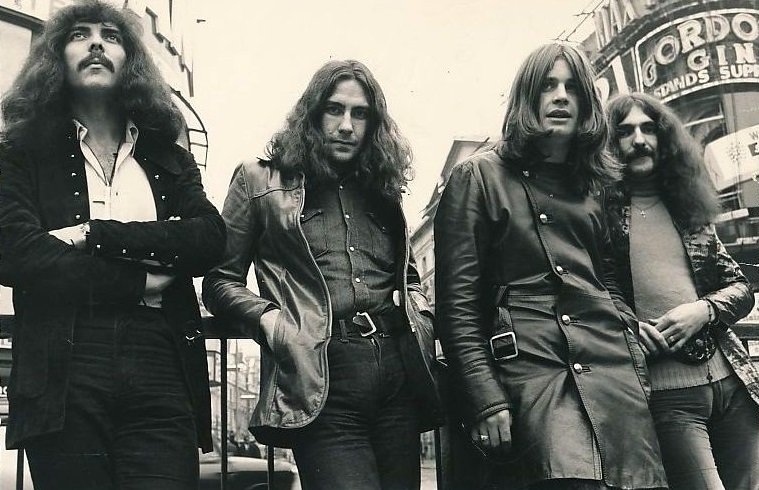
The band, formed in Birmingham, consisted of Ozzy Osbourne, Tony Iommi, Geezer Butler and Bill Ward. Prior to adopting the name Black Sabbath, the group had performed as Earth, playing blues driven material influenced by Cream and Jimi Hendrix. However, by late 1969, they had deliberately shifted toward a darker sonic and visual identity.
The album was recorded on October 16, 1969, at Regent Sound Studios in London. According to interviews later given by members of the band, the recording session was completed in a single day on a limited budget. Producer Rodger Bain captured the band’s live sound with minimal overdubs, which contributed to the record’s raw atmosphere.
The opening track, “Black Sabbath,” begins with the sound of thunder and church bells before Tony Iommi introduces a slow, ominous riff built around a tritone interval. The tritone, sometimes historically referred to as “diabolus in musica,” had long carried associations with tension in Western music theory. Its use here created a darker tonal palette that distinguished the band from contemporaries in blues rock.
Geezer Butler later explained in interviews that the lyrical themes were influenced by horror films and occult imagery, though the band’s intent was more atmospheric than literal. The heavy, downtuned guitar tone itself was partly shaped by Iommi’s physical adaptation. After losing the tips of two fingers in a factory accident, he developed lighter string gauges and altered tuning, which contributed to the band’s thicker sound.
Upon release, the album received mixed critical reaction. Some reviewers dismissed it as overly loud or simplistic. However, commercial performance told a different story. According to the Official Charts Company, the album reached number eight on the UK Albums Chart and remained on the chart for several months.
The American release followed later in 1970 through Warner Bros. Records. In the United States, the album eventually achieved platinum certification. The Recording Industry Association of America details its certification status on the RIAA Gold & Platinum database.
Retrospective analysis has been far more favorable than initial reviews. In later decades, music publications reassessed the album’s importance. Rolling Stone has frequently referenced Black Sabbath’s debut when tracing the origins of heavy metal, as reflected in its broader coverage archive: Rolling Stone – Black Sabbath.
Musically, the album departed from psychedelic experimentation that dominated much of the late 1960s. Instead of extended jam sections built on blues structures, Black Sabbath emphasized weight, repetition and atmosphere. Tracks such as “N.I.B.” and “The Wizard” combined distorted guitar riffs with darker lyrical imagery, forming a template later adopted by countless metal subgenres.
The February 13 release date also placed the album at a transitional moment in rock history. Led Zeppelin had already begun amplifying blues foundations into heavier forms, and Deep Purple was exploring harder arrangements. However, Black Sabbath’s debut stripped away much of the blues swing and replaced it with a colder, heavier sound.
Its influence can be traced across subsequent movements including doom metal, stoner rock, thrash metal and various extreme subgenres. Bands from Metallica to Soundgarden have cited Black Sabbath as a primary influence. The sonic blueprint introduced in February 1970 continues to echo in contemporary heavy music.
From a commercial perspective, the album’s success demonstrated that darker themes and heavier production could achieve mainstream viability. Vertigo Records’ investment in Sabbath helped establish the label as a platform for progressive and heavy rock acts throughout the decade.
In historical context, February 13, 1970 stands as more than an album release date. It marks one of the clearest origin points for heavy metal as a defined musical style. The album’s raw production, down tuned riffs and ominous atmosphere shifted the trajectory of rock music and opened a new sonic lane that would dominate arenas worldwide for decades.
For more daily milestones in music history, explore our On This Day archive.
Dive deeper into legendary recording sessions and artist turning points inside The Vault.
Stay updated with breaking developments and current headlines in Music Industry News.
Or return to the main Behind The Melody Home Page to browse the full archive.
About the Author